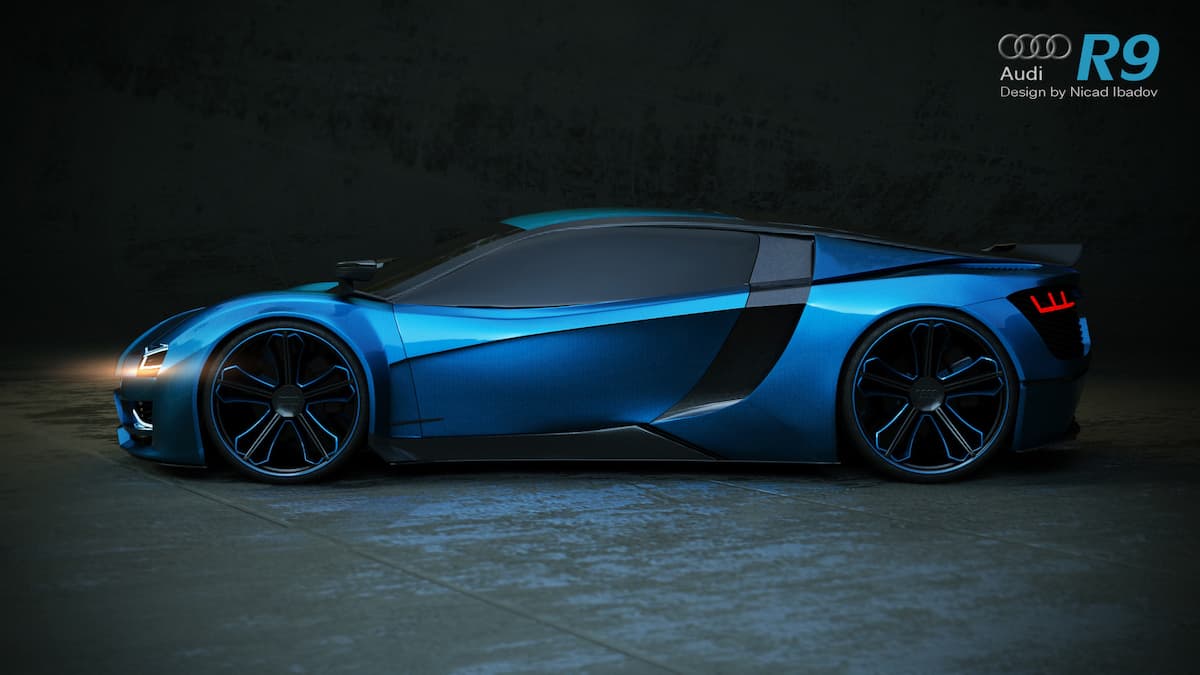
This gallery contains 16 photos.
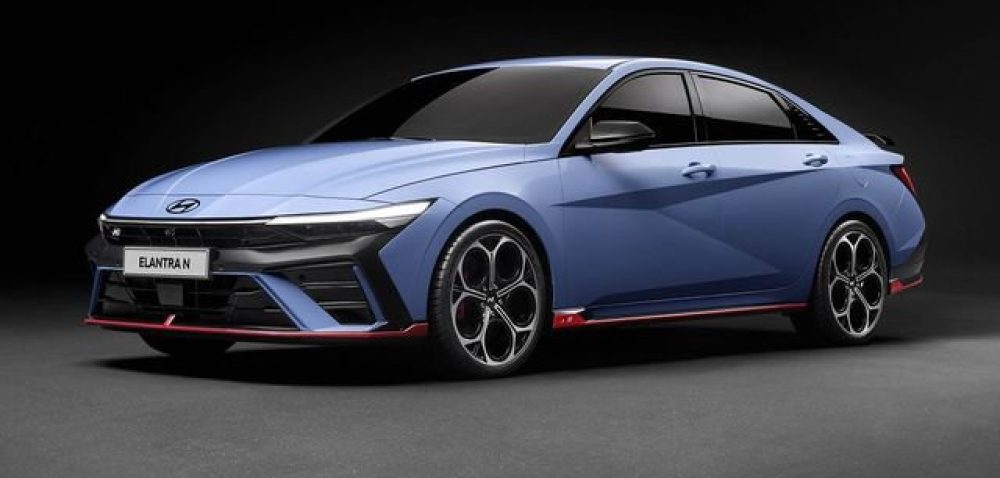
This gallery contains 16 photos.
This gallery contains 8 photos.
This gallery contains 10 photos.
This gallery contains 5 photos.

This gallery contains 8 photos.
Range Rover refreshes the Evoque for the ’24 model year, saying the small luxury CUV has been enhanced with the latest technologies and premium material choices. Updates include a new grille and slim headlights as well as new exterior accents, … Continue reading
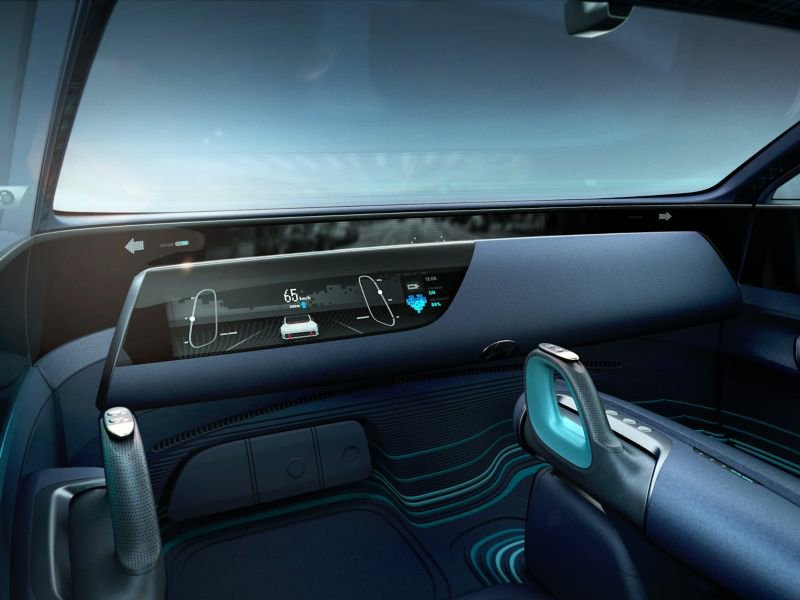

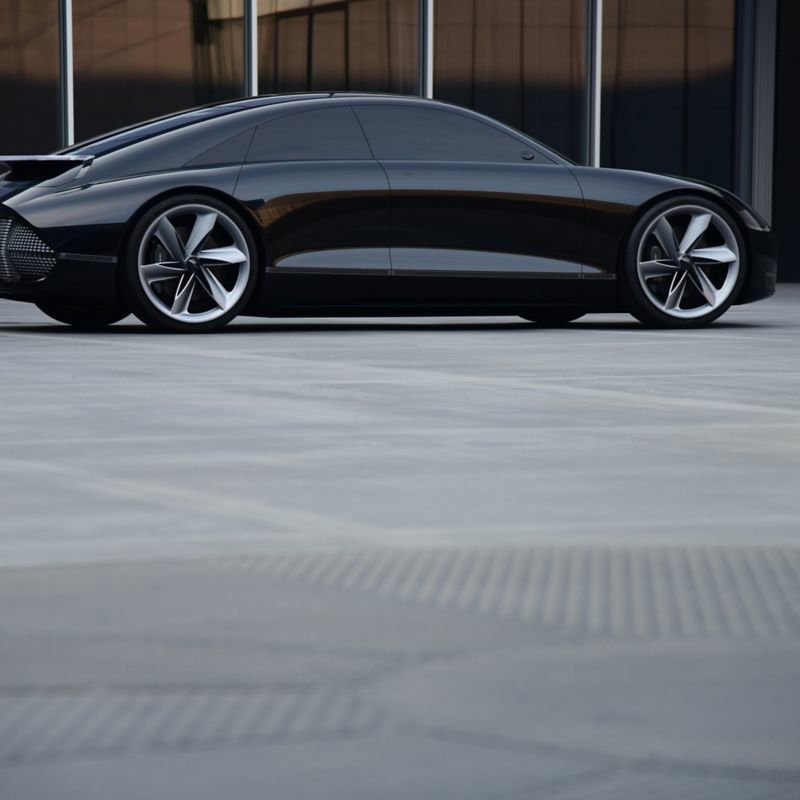
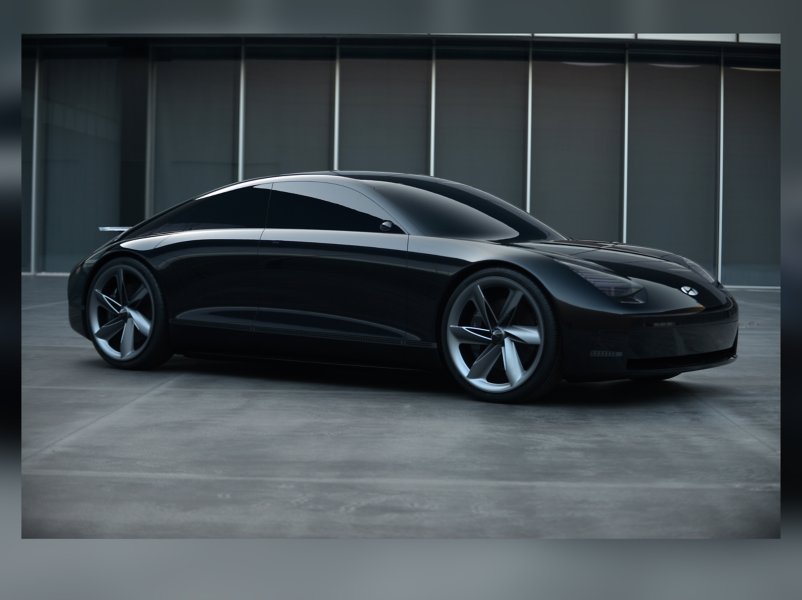
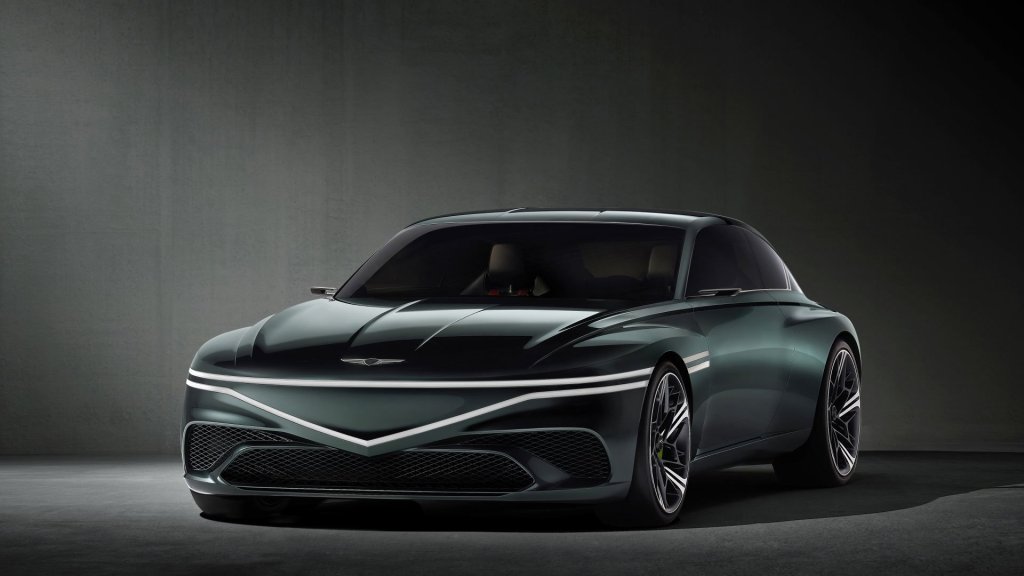
NEW YORK, N.Y., Apr. 13, 2022 – Today, Genesis premiered the Genesis X Speedium Coupe at Genesis House New York, a cultural space in Manhattan’s Meatpacking District. The concept car incorporates Genesis’ DNA, while looking ahead to the next wave of EVs and highlighting Genesis’ future as a luxury electric vehicle brand.
The brand also announced plans for U.S. production of its upcoming Electrified GV70 SUV at its manufacturing facility in Montgomery, Ala. Production is set to start in December.
In a series of electrification-focused announcements, the brand also revealed its GV60 Priority One program for U.S. consumers.
Envisioning a new styling convention for the future
The Genesis X Speedium Coupe was born out of a “freestyle” design exercise based on the Genesis X Concept. Luc Donckerwolke, Genesis Chief Creative Officer and 2022 World Car Person of the Year led the initiative. It embodies the timeless Genesis’ design philosophy, Athletic Elegance, in an even more progressive way.
The name Speedium was inspired by the Korean racetrack in the city of Inje and the passion for motorsport it inspired in Genesis designers. The name also encapsulates Genesis’ belief that the emotional value of driving will remain strong in the era of electrification. The addition of the word “coupe” further accentuates the enjoyment of driving through aesthetic designs.
Genesis followed the principle of reductive design, or “less is more,” for the concept car. The Genesis X Speedium Coupe stands out for its restrained elegance, clean lines, and subtle curves.
The model challenges the status quo of a defined car type. It is not a conventional concept car that previews plans for the production lineup.
“This car is an open-door moment in Genesis’ journey towards our future EV design,” said Luc Donckerwolke, chief creative officer of Genesis. “This isn’t a show car — it’s a look into our design processes as we explore ideas for the next wave of EVs, one that incorporates Genesis’ DNA.”
On the front of the vehicle, Genesis’ signature Two Lines lamps have evolved into a full-width element that encompasses the shape of the crest resembling the Genesis Crest Grille. It was designed to carry the brand signature of the wing face for the electrification era by integrating the daytime running lamps with the low beam and high beam together. It carries an EV face that symbolizes Genesis’ transformation towards becoming an all-electric car brand with a six-model lineup by 2030.
From an overhead perspective, the hourglass silhouette highlights the car’s passion and character. The curvaceous and sensuous form accentuates the wheel arches creating muscular presence.
Viewed from the side, the Parabolic Line extending from the front to the rear of the car maintains a certain tension in the design as a classic car would. The deliberate “anti-wedge” design culminates in a streamlined look that exudes understated elegance.
Meanwhile, an elliptical tail balances out the look for a visually engaging tension between convex and concave surfaces in the rear. The V-shaped brake lights interrupt the circular shape by producing the striking contrast that is one of the hallmarks of a Genesis vehicle.
“We are giving each design element space to breathe,” said Donckerwolke. “It’s not about making the design elements compete with each other, but about orchestrating the elements so that they complement and respect one another.”
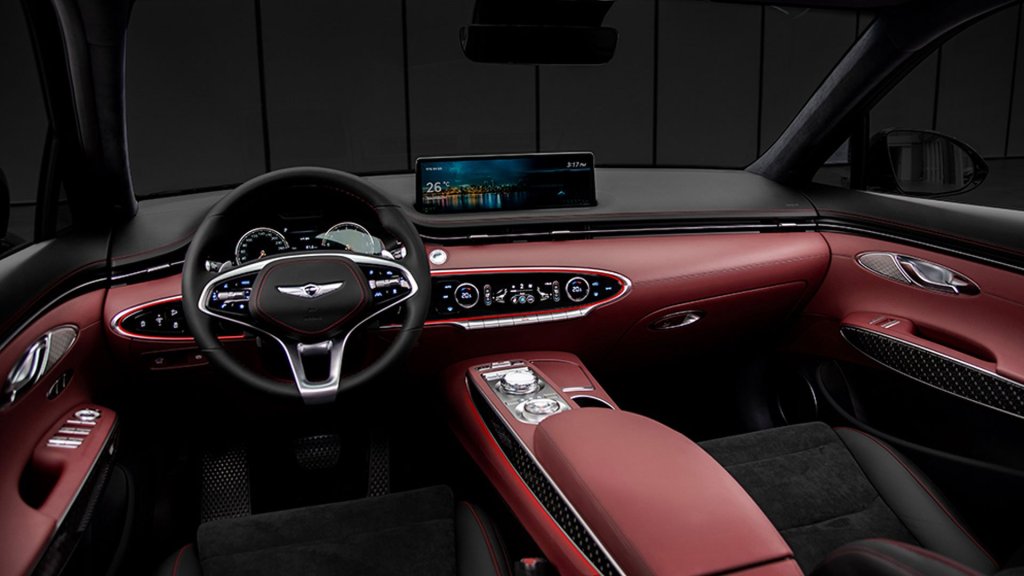
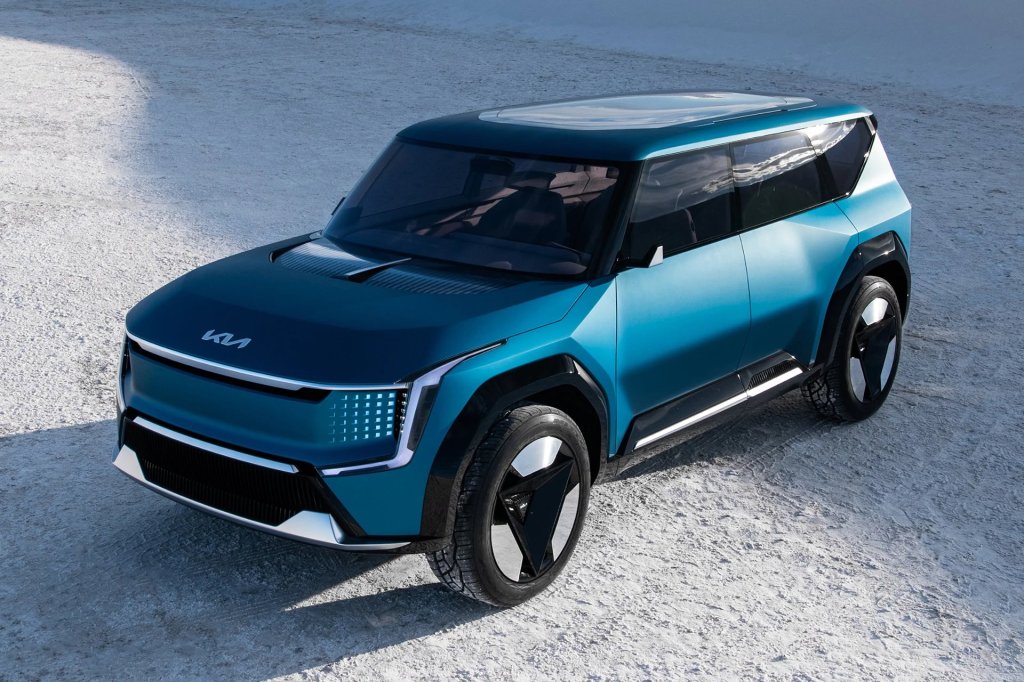
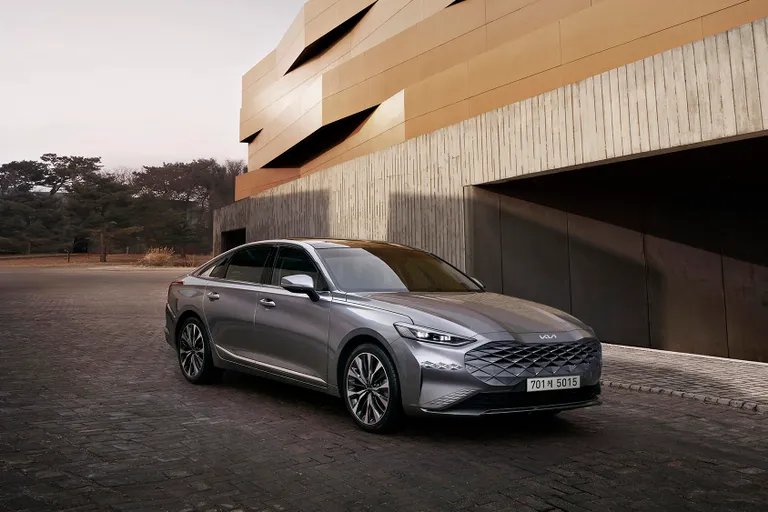
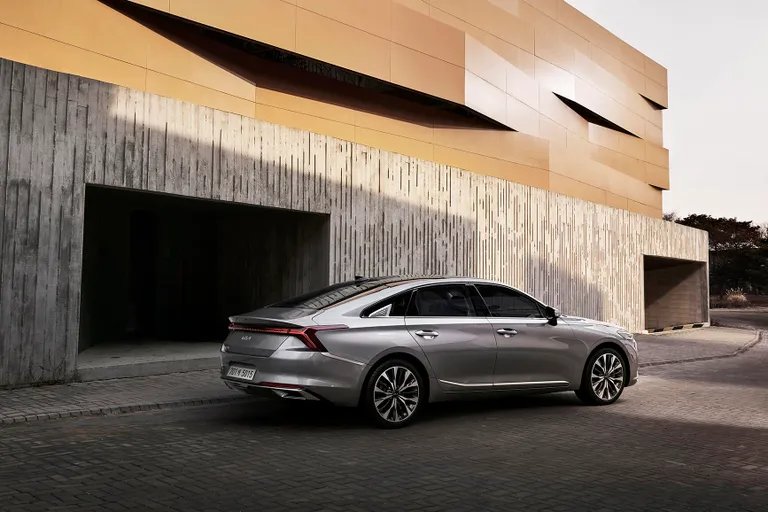
Kia is undergoing a renaissance of sorts, heralded by a new logo, streamlined alphanumeric model names, a focus on electrification and crazier designs than ever before. The first production model to wear the redesigned emblem and fresh design language is the new K8 sedan, which replaces the Cadenza in the lineup. Sadly, the K8 won’t come to the US, but that doesn’t mean we can’t still ogle over it.
Making its debut Tuesday, the K8 is about an inch longer than the outgoing Cadenza, which was called the K7 in other countries, but no other dimensions were announced. Kia is positioning the K8 both as more of a premium offering and more of a sports sedan than the Cadenza, which is apparently reinforced by the name change.
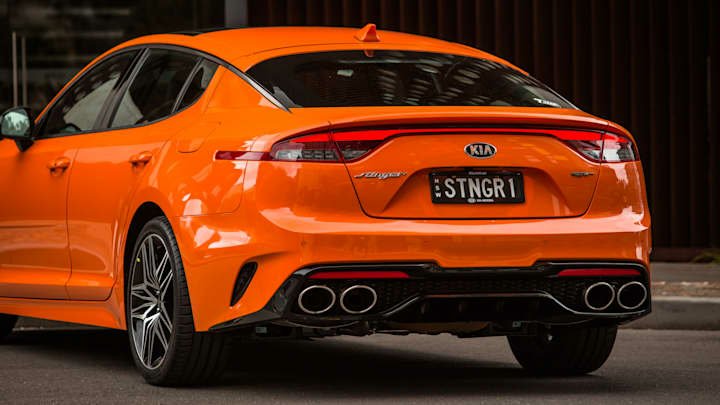
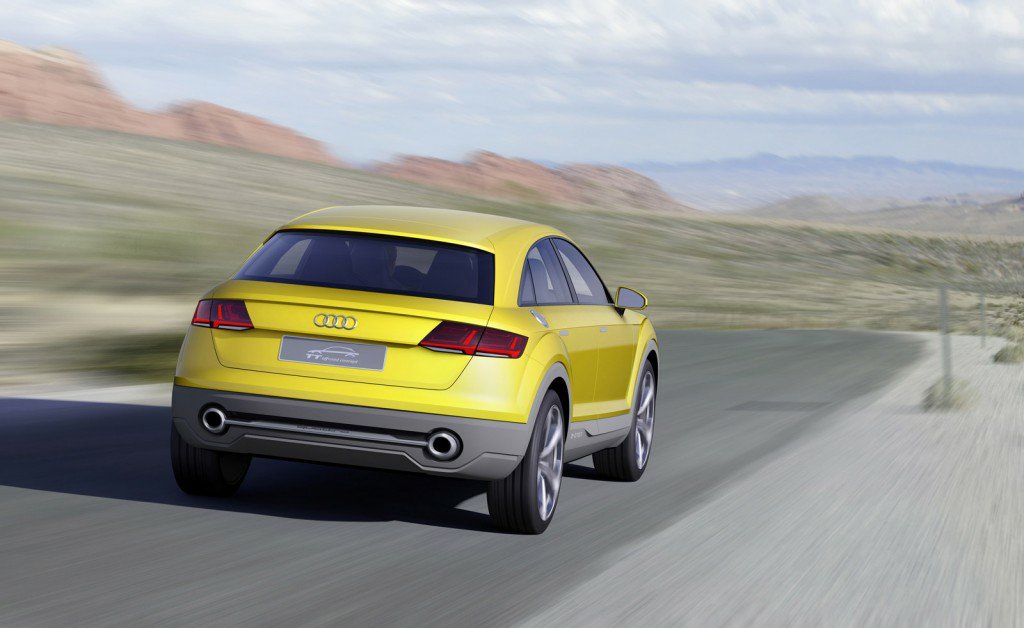
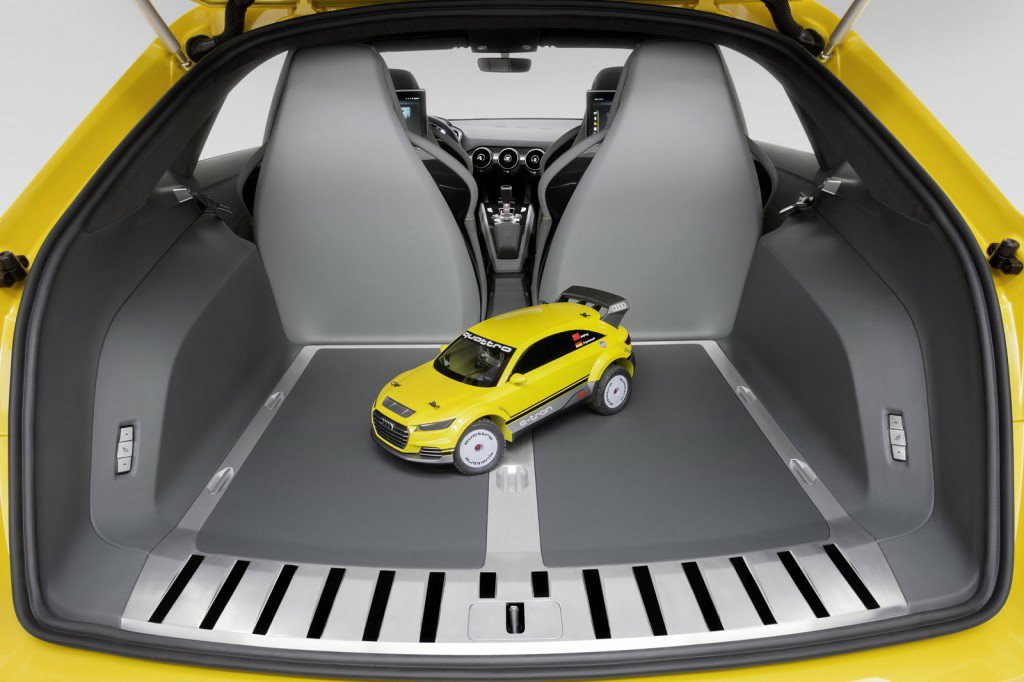
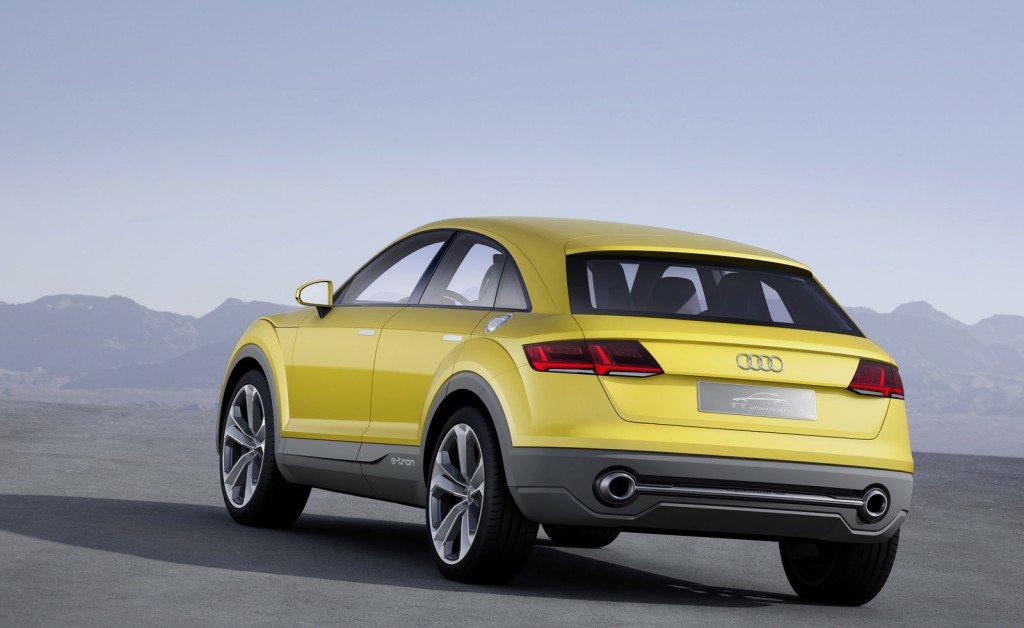
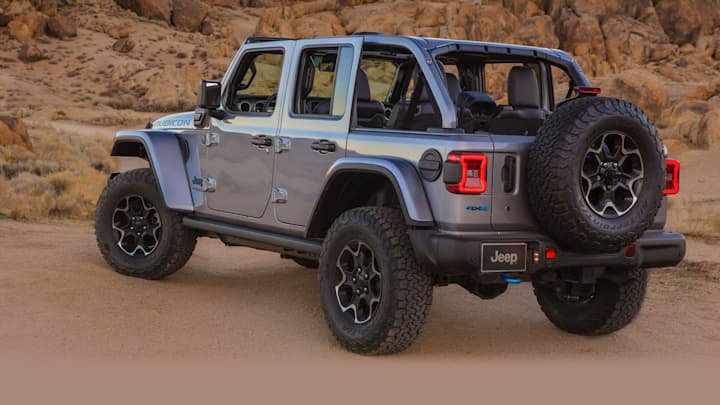
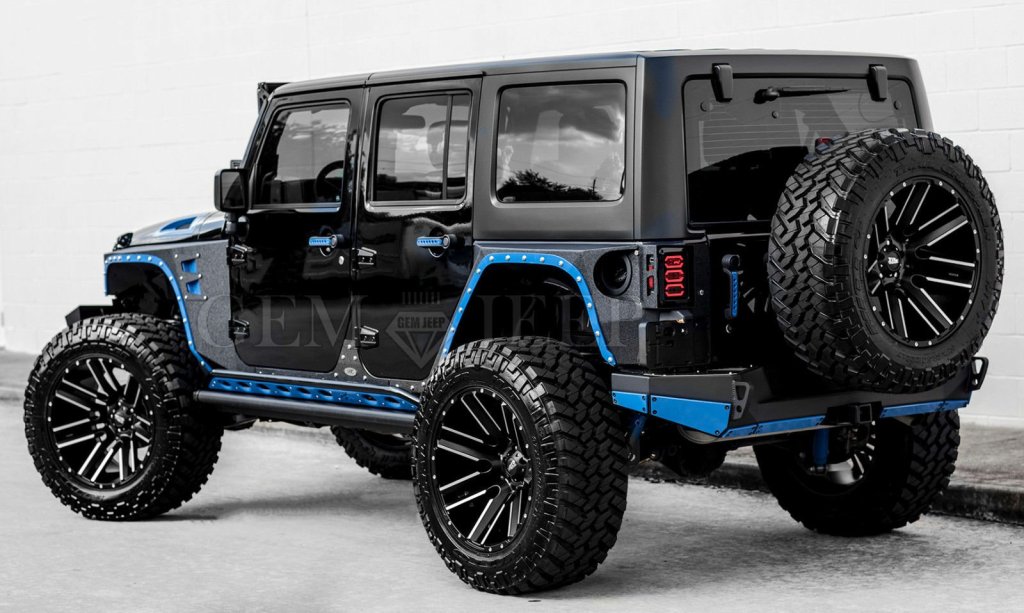
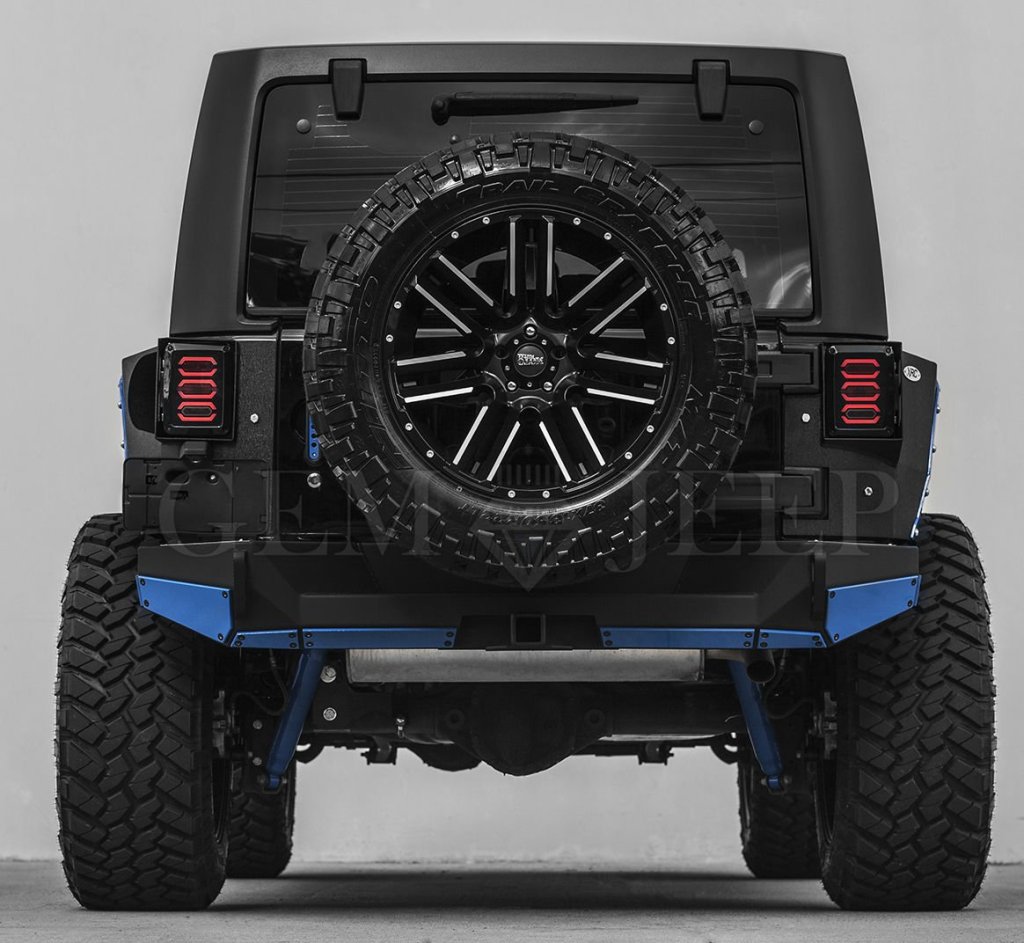

Jeep has outlined its aims to lead the rollout of hybrid and electric vehicles in markets including Australia, despite slow-to-react governments and lagging emissions regulations that have held other car makers back.
Speaking to Australian and Asian media in a roundtable event earlier this week, Jeep brand CEO Christian Meunier described how the American off-road brand won’t wait for other car makers to launch hybrid and electric vehicles before introducing its own, nor will it wait for governments to strengthen emissions targets.
“Governments are starting to strengthen regulations and [emissions] compliance, and instead of just waiting for the governments to rule … I would like to have a proactive approach in those markets [including Australia and Asia] and bring electrification upfront, because I think it is very special and very exciting for the customers.
“I am going to push for electrification as a leader, not as a follower. We’re not going to [be] after the other [car makers], we’re going to be first, and we’re going to do everything we can in all [global] regions,” Meunier added.
The commitment to electrified vehicles in the Asia-Pacific region – comprising Australia, New Zealand, South-East Asia, and other nations and areas – comes as Jeep announces its goal for 70 per cent of its sales by 2025 to be electrified, using either mild-hybrid, ‘conventional’ self-charging hybrid, plug-in hybrid or all-electric power.
MORE: Electric Jeep Wrangler Magneto concept revealed, but plug-in hybrid falls short
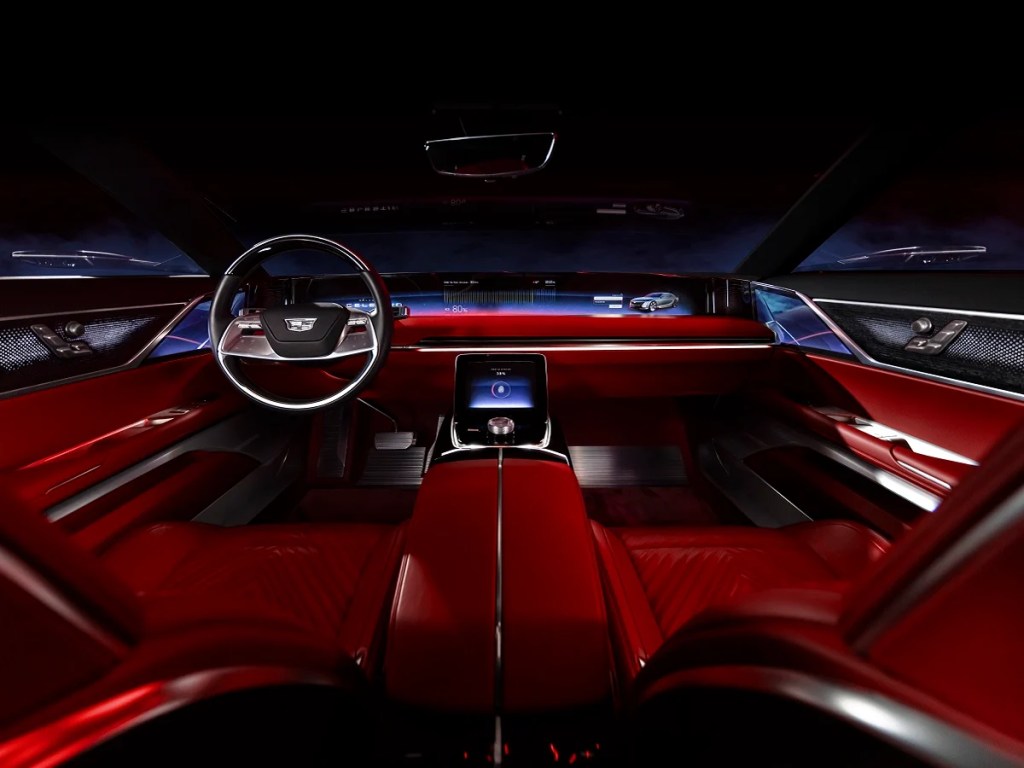
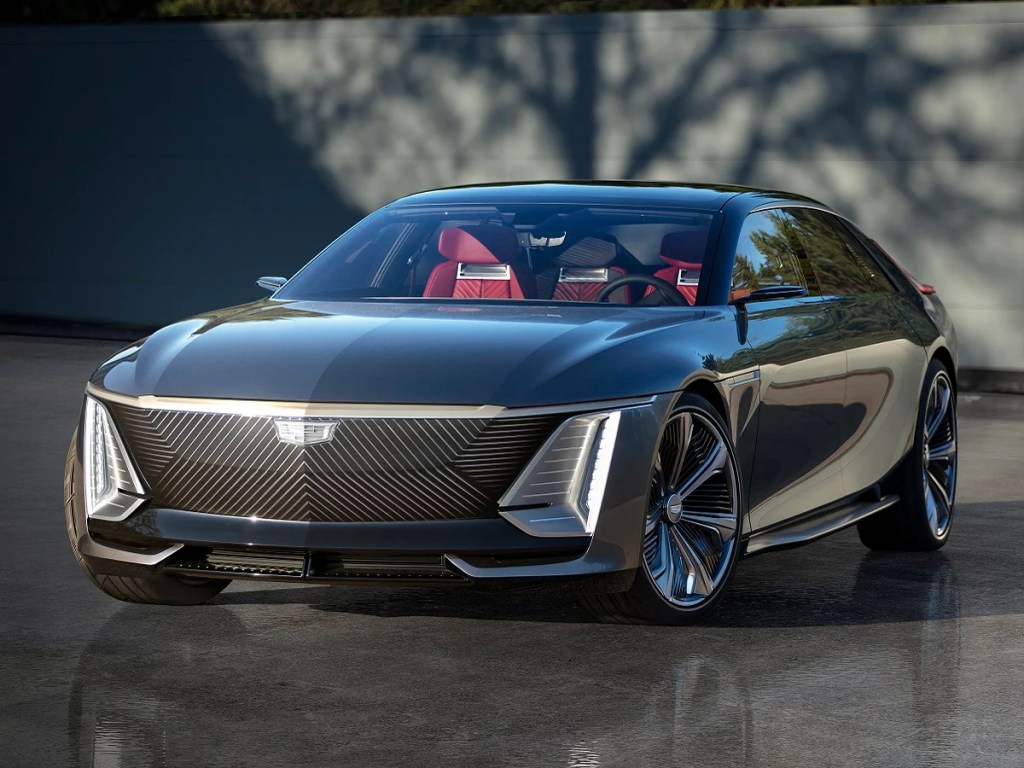
Cadillac was once the benchmark for luxury in the automotive world, but decades of increasingly rich competition have whittled away at its dominance. The automaker hopes to reclaim some of its forward glory as it moves into the electric-vehicle (EV) age with the unveiling of the Celestiq concept car.The prototype Cadillac showed features a red interior, and the automaker will likely offer several color choices. The cabin seats four in a 2+2 format with an extended center console, and the rear cargo area is open to the passenger compartment as it would be in a hatchback. The Celestiq’s interior is otherwise show-stopping, with intricate patterns in the leather seats, hand-brushed metal trim pieces, and deep-pile carpeting.
Cadillac focused on the top end of luxury cars with the Celestiq but still managed to incorporate sustainability into the process. Cadillac tanned the car’s leather with a procedure that the automaker says uses up to 40 percent less water. Also, the carpeting integrates eucalyptus to cut down on synthetic materials.
Cadillac hasn’t detailed the car’s tech specs yet, but it’s clear there won’t be a shortage of screens. Beyond the digital gauge cluster and infotainment display, the screen stretches 55 inches—the entire length of the dash. Cadillac used cameras instead of mirrors in the car, the images displayed on screens built into each door. A unique glass roof can shift its opacity from transparent to frosted and offers a separate “zone” so each passenger can set their desired light preferences.
The Celestiq will also debut a new Ultra Cruise feature for Cadillac. It’s an evolution of the Super Cruise system and should offer hands-free driving in up to 95 percent of scenarios. The system relies on radar, lidar, and cameras to form a picture of the world around the car to make decisions on lane changes and other driving maneuvers.

With a $300,000 price tag, the Celestiq won’t be for everyone, and Cadillac wants it that way. The brand views the car as more of a piece of art, almost like a collectible, than it does basic transportation. The automaker does not expect buyers to use the Celestic daily, which makes sense for such an expensive, customized car.
Cadillac is the source of information in this article. It was accurate as of July 22, 2022, but it may have changed since that date. Always confirm product details and availability with the automaker’s website or your local dealership.
Related Resources
Research a Vehicle
Cars for Sale
Sell My Car
Compare Cars
Car Finder Tool
Car Ratings
Shopping Guides
New Car Previews
Expert Car Reviews
Local Deals & Incentives
If you are in the market for a new car we can help you find local deals and the latest incentives from dealers in your area.
Find Best Deals
What’s Next?
WANT TO TAKE ACTION?

ShopCars for Sale Online
WANT TO DIVE DEEPER?

CompareCars Online
WANT TO MAXIMIZE YOUR PURCHASING POWER?

FindLocal Incentives and Rebates on New Cars
SUBSCRIBE TO THE J.D. POWER NEWSLETTER
*
* indicates required field
Explore car shopping guides

How to Program a Car Key Chip
Electronic keys introduce new components that can be expensive, even without paying a dealer to program them. If you can do the job yourself, you can save both time and money by not having to visit the dealership. Here are a couple ways to program a car key chip.
. . . more-
Read the full review

How Much Does It Cost To Wrap A Car?
How much does it cost to wrap a car? And what does the process entail? Let’s look at some standard costs associated with wrapping a vehicle and detail some of the various options available today.
. . . more
Read the full review

How to Test a Car Battery with a Multimeter
When your car doesn’t start, often the battery is the culprit. Unfortunately, most vehicle owners do not check their battery until it fails. As preventative maintenance, the suggested best practice is to conduct a car battery voltage test regularly – at least twice per year – using a multimeter.
. . . more
Read the full review
Read all articles


 Hennessey Garage